
Speed Tourism: How I Use Running to See a City
Business travel can shrink a city into terminals, taxis, and meeting rooms. A short run changes that.
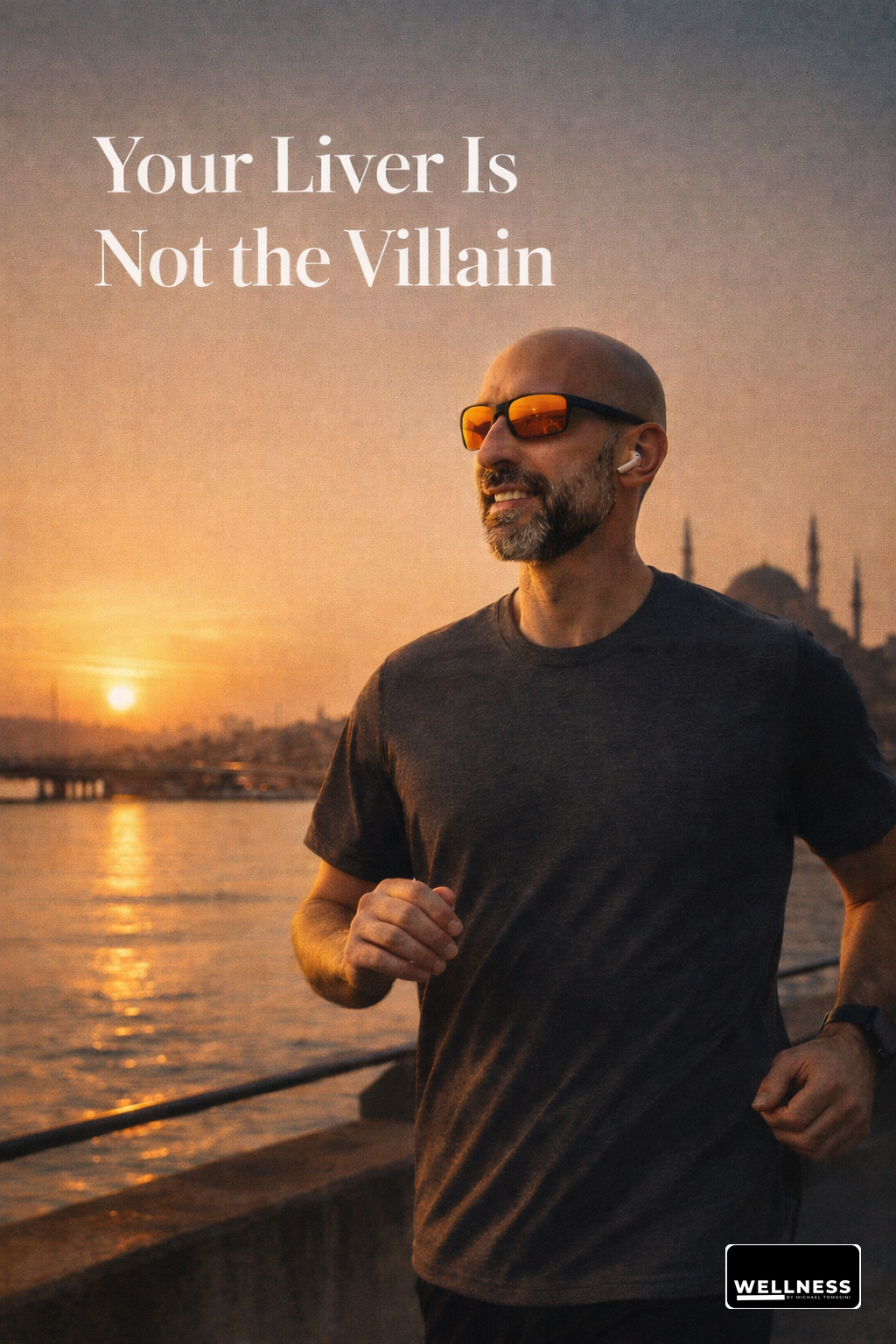
The run in Istanbul became what I call speed tourism.
Not because it was fast.
Not because it was impressive.
Because it let me see a part of the city I would not have seen from an Uber, a hotel lobby, or an exhibition hall.
That is one of the strange things about business travel. You can cross borders, change time zones, meet people from several countries, and still barely experience the place you are in.
Airport. Taxi. Hotel. Meeting. Taxi. Airport.
A city can become a corridor if I am not careful.
Running helps me break that pattern.
Not always. Not everywhere. Not at any cost.
But when the situation is right, a short run or walk can turn a work trip into something more human.
That is speed tourism.
Movement with open eyes.
Business Travel Can Shrink a City
I have been lucky to travel for work. That does not mean I always experience the places I visit.
Sometimes a city becomes a sequence of controlled spaces. Airport terminal. Car. Hotel room. Exhibition hall. Customer booth. Restaurant. Hotel room again.
The trip may look international from the outside, but the lived experience can become narrow.
Istanbul could have been that kind of trip. I arrived after more than twelve hours of travel from Germany, with flights through Vienna and Bucharest. Then I had to figure out the metro from Istanbul Airport and solve a hotel address problem that did not match cleanly across Booking, Google Maps, and Apple Maps.
By the time I found the hotel, I was tired.
The next day was customer meetings.
That is the normal rhythm.
Travel problem. Sleep. Meetings. Transport. More meetings. Food when possible. Repeat.
It would have been easy to move through Istanbul without really touching Istanbul.
That is what I mean when I say a city can become a corridor.
You pass through it.
You do not enter it.
The Run Changed the Shape of the Trip
At some point during the week, I went for a run. It was not a race. It was not a performance test. It was movement.
I was in a new part of Istanbul. I was outside the controlled business-travel tunnel. I was seeing streets, buildings, people, small details, and the rhythm of a place that does not show up when the entire trip is airport-to-hotel-to-meeting.
That run changed the shape of the trip.
Not because it made me healthier in one dramatic moment.
Because it gave me a memory.
C'est important.
Most of us do not need travel to become another productivity challenge. We need it to remain connected to life.
For me, running can do that.
It turns a city from a backdrop into an experience.
What I Mean by Speed Tourism
Speed tourism is simple. It is a run, jog, or even a purposeful walk that lets me see a city while I am already there.
No checklist.
No perfect route.
No pressure to make it count on Strava.
No need to turn the whole thing into a training achievement.
The point is not the pace.
The point is attention.
I want to notice the street I would have missed. The bakery window. The hill I did not expect. The old building beside the modern one. The sound of a city waking up. The way traffic moves. The small signs that tell me I am not at home.
That is different from sightseeing.
Sightseeing often starts with a list.
Speed tourism starts with movement.
The list can be useful. But sometimes the better memory comes from putting on shoes, choosing a sensible route, and letting the city unfold at human speed.
Faster than walking.
Slower than a taxi.
Close enough to notice.
The Workout Is Useful. The Memory Is the Reward.
Of course, the movement matters.
When I travel, I want to protect my body from becoming stiff, tired, and passive. I want some resistance training when I can get it. I want steps. I want movement windows.
But the workout is not the only value.
Sometimes it is not even the main value.
The main value is that I come home with something more than a calendar full of meetings.
I remember a street.
I remember a view.
I remember the feeling of moving through a city before the workday fully takes over.
That makes the trip feel less extracted from life.
It becomes part of the life I am trying to protect.
I am not trying to build a system that turns every trip into a wellness assignment. I am trying to build a system that lets me stay present inside a good life.
Sometimes that means a structured meal.
Sometimes that means taking the metro instead of another taxi.
Sometimes that means a short run in a city I may not visit again for years.
How I Approach It
I do not do this blindly.
A new city is still a new city. A work trip is still a work trip. Safety matters more than mileage.
I choose daylight when I can. I keep the route simple. I make sure my phone has enough battery. I do not chase pace. I stay aware of the area and turn around if something feels wrong.
And I do not make the run so hard that it damages the workday.
Ce dernier point est important.
I am usually not traveling to run.
I am traveling to work.
The movement has to support the trip, not compete with it.
That is why speed tourism is not about proving anything. It is about adding one human layer to a week that could otherwise become mechanical.
Why This Works for Business Travelers
Business travel has a way of compressing attention.
There are schedules, customers, presentations, logistics, flights, transfers, messages, receipts, and unexpected problems.
It is easy to spend the whole trip reacting.
Movement gives me a way to choose one thing before the day takes over.
Not a big thing.
A repeatable thing.
A twenty-minute walk. A thirty-minute jog. A hotel gym session. A metro route instead of another car.
One anchor.
That is usually enough to change the feel of the day.
The mistake is thinking the session has to be perfect. A travel routine that only works under perfect conditions is not a travel routine. It is a fantasy.
The better question is: what movement can I repeat inside the day I actually have?
The Istanbul Lesson
The Istanbul week was not controlled. The hotel address was confusing. The travel route was long. The exhibition days were full. The return connection through Bucharest was tight. The weekend after the trip went directly into family life in Berlin.
There was no clean wellness bubble around the week.
But there were anchors.
The metro.
The hotel gym.
The fasting window.
The structured re-entry to food.
The run through a new part of Istanbul.
The fasted runs in Berlin.
The Mother’s Day walk when I came home.
Speed tourism fits that pattern because it does not ask me to escape my life in order to be healthy. It asks me to use the life that is already happening.
A city is there.
My shoes are there.
A small window opens.
I move.
I did not need the Istanbul run to be impressive. I needed it to make the trip more real.
That is what it did.
It reminded me that business travel does not have to shrink a city into terminals, taxis, and meeting rooms. It reminded me that movement can be practical and meaningful at the same time.
It reminded me that the best system is the one I can repeat.
Not because every week is controlled.
Because most weeks are not.
Prepare. Stabilize. Repeat.
Start Smaller on the Next Trip
On your next work trip, start smaller than you think you need to. One movement window. A short loop from the hotel in daylight. No performance pressure. Just one way to experience the place you are already in.
Not perfect. Repeatable.
 English
  Deutsch
  Français
Laisser un commentaire